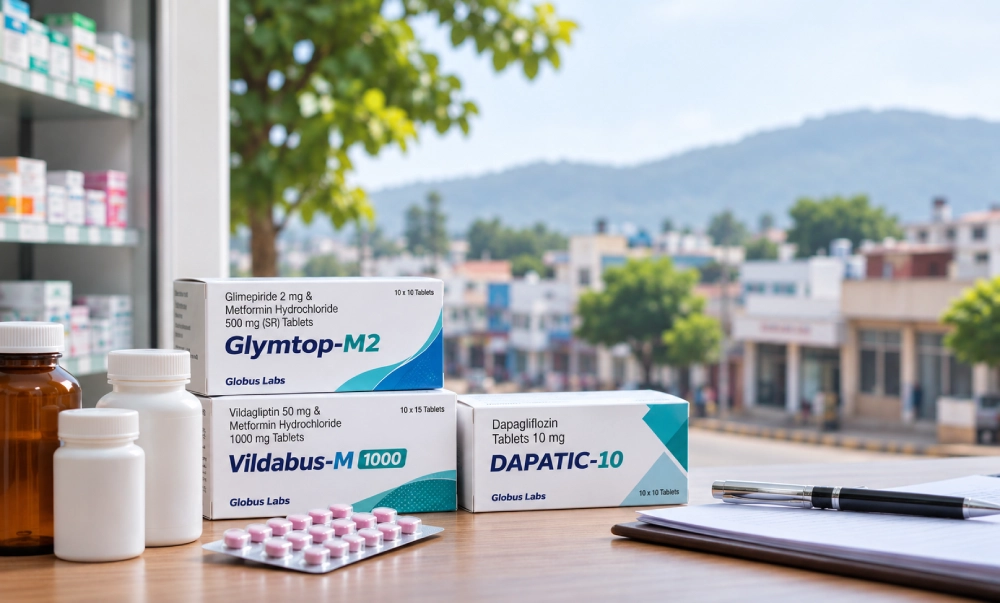
When discussing pharmaceutical business opportunities in India, major cities like Mumbai, Delhi, and Bengaluru often come to mind. However, Tier 2 and Tier 3 cities such as Nashik, Bareilly, Jorhat, Hubballi, Bhilwara, and Siliguri also deserve attention.
These markets can offer opportunities for PCD pharma franchise partners looking to build relationships with local doctors, chemists, and healthcare providers. However, success depends on understanding local demand, choosing the right products, and building a dependable distribution network.
The approach that works in a metropolitan market may not always work in a smaller city.
This guide walks through 10 practical strategies for building a PCD pharma franchise in tier 2 and tier 3 cities, from picking the right products to choosing the right partner. If you are still at the planning stage, our guide on how to start a PCD pharma franchise in India is a good place to begin. If you are ready to expand, read on.
Why Tier 2 and Tier 3 Cities Deserve a Closer Look
It helps to be clear about what makes these markets different before you plan around them.
- Potentially less saturated markets. Some smaller cities may have fewer competing pharmaceutical representatives in particular therapeutic categories. However, competition varies by location and product segment.
- Importance of long-term relationships. Prescribers and chemists in smaller markets tend to stick with companies and reps who show up consistently and deliver on their word.
- Lower operating costs. Office rent, staff salaries, and travel typically cost less than in a metro, which can ease pressure on your early margins.
- Rising healthcare access. More diagnostic labs, clinics, nursing homes, and multi-specialty hospitals are opening in smaller cities, and demand for branded generics follows.
- Wider territory, slower pace. Distances are longer, and orders come in smaller lots, so planning matters more than hustle.
None of this means a smaller city is automatically easy. It means the effort pays off differently. Here is how to make it pay off well.
Strategy 1: Learn What Your Town Actually Prescribes
Do not copy a metro product list and hope for the best. Spend your first few weeks simply listening. Visit a handful of chemists, note which strips and syrups move fastest, and ask doctors what they struggle to find. Different territories may have different healthcare needs depending on their population, available medical specialties, and local prescribing patterns. Understanding these differences can help you identify the most relevant therapeutic categories.
This ground-level research costs you nothing and shapes every other decision on this list.
Strategy 2: Build a Focused Product Range, Not a Giant One
Having 500 products to choose from is great. Pushing all 500 to one doctor is not. Pick two or three therapeutic ranges that match local demand and go deep on them first.
A few examples of how this can play out:
- A town with many general physicians may respond well to the Antibiotic Range, Gastroenterology Range and Multivitamin and Nutraceutical Range.
- A city with established gynaecologists and paediatricians may suit the Gynae Range and Pre-Probiotics Range.
- Areas with an ageing population may lean towards the Cardiac Range, Diabetic Range and Orthopedic Range.
As demand develops, partners can gradually expand their portfolio with additional products from the company’s wider therapeutic range.
Strategy 3: Win Over Doctors One Relationship at a Time
Building strong relationships with healthcare professionals requires consistency, credibility, and a professional approach. Regular interactions, accurate product information, and responsiveness to feedback can help franchise partners develop long-term relationships within their territories.
Keep your approach simple:
- Visit on a predictable schedule, and never skip without telling them.
- Bring accurate product information and literature, not just samples.
- Respect their time. Short, useful visits beat long sales pitches.
- Follow up on feedback, especially about quality or availability.
For a deeper look, see our post on building strong doctor relationships for your PCD pharma franchise.
Strategy 4: Treat Chemists and Stockists as Partners
A prescription means little if the medicine is not on the shelf. In smaller cities, a handful of reliable chemists and wholesalers often decide whether your brand gets stocked at all.
- Meet the major chemists in your territory early, and explain what you offer and why it is worth keeping.
- Supply on time. A chemist who gets burned once by a late delivery remembers it for a long time.
- Maintain clear commercial terms with chemists and stockists, including agreed supply prices, applicable schemes, credit periods, and payment conditions.
- Ask which products they get asked for most and use that feedback to guide your orders.
Strategy 5: Hire Local Medical Representatives
A rep who grew up in the area already speaks the language, knows the doctors’ reputations, and understands how the town works. That is hard to teach an outsider.
Look for people who are reliable and well regarded locally, even if they are fresh to pharma. Train them properly on the products, give them clear visit targets, and make sure they know who to call at your PCD partner when a doctor asks a tough question.
Strong rep support from the company side makes a real difference here. Choose a PCD partner that can provide accurate product information, approved promotional literature, and appropriate product knowledge support to help your medical representatives communicate confidently and responsibly.
Strategy 6: Understand Your Market’s Pricing and Credit Requirements
Pricing and credit management play an important role in building a sustainable franchise business.
Understand the special purchase prices and commercial terms offered by your PCD company, while evaluating local market conditions and the pricing of comparable products.
As a franchise partner, you will also need to establish your own selling prices, credit periods, and payment arrangements with chemists and stockists, subject to applicable regulations.
Clear payment terms and regular follow-ups on outstanding dues can help maintain healthy cash flow and avoid unnecessary financial pressure.
Strategy 7: Plan Stock and Logistics Around Distance
Deliveries to a tier 3 town can take longer, and a stockout means a lost sale and a doubtful chemist. At the same time, overstocking slow movers leads to expiry losses.
A few habits help:
- Track fast- and slow-moving products regularly and plan reorder quantities based on demand, minimum order requirements, and expected delivery timelines.
- Keep a safety buffer of your top-selling products only.
- Monitor batch-wise expiry dates regularly, follow first-expiry-first-out (FEFO) inventory practices, and manage slow-moving stock in accordance with the company’s applicable return and expiry policies.
- Agree on dispatch timelines with your PCD company before you commit to your chemists.
Our guide on managing stock and avoiding expiry losses in a PCD franchise goes into this in more detail.
Strategy 8: Use Simple Digital Tools Where They Help
You do not need a flashy campaign. A few basics go a long way, even in smaller markets:
- WhatsApp for orders and updates. Use WhatsApp Business for order confirmations, delivery updates, and appropriate business communication with customers who have agreed to receive such messages.
- A Google Business Profile for your distribution office, so local chemists and clinics can find your address, phone number, and timings.
- A simple order and payment record, even a shared spreadsheet, so nothing gets lost between visits.
Keep all promotional messages factual, in line with the product information you have been given, and within the rules for pharma communication.
Strategy 9: Stay Compliant From Day One
Smaller cities can feel relaxed about paperwork. Do not let that fool you. A valid drug license, GST registration, and proper records protect your business and your reputation, and they are what serious doctors and wholesalers expect.
A quick checklist:
- Hold the correct drug license for your premises and activity.
- Keep GST registration and invoicing in order.
- Store products as the labels direct, and maintain batch and expiry records.
- Verify the applicable manufacturing license, GMP documentation, and product permissions of the manufacturing facilities supplying the products.
See our guide to certifications and licenses required for a pharma franchise business in India for the full picture. Requirements can differ by state, so confirm the details with your local drug authority.
Strategy 10: Partner With a PCD Company That Backs You Up
You can do everything above right and still struggle if your PCD company is slow, vague, or unreliable. In a tier 2 or tier 3 market, where you cannot easily switch suppliers mid-month, the partner you pick matters more than almost any tactic.
Here is what to look for:
- Quality-focused manufacturing: work with companies that use appropriately licensed manufacturing facilities with verifiable GMP documentation and relevant quality standards.
- A wide, organised range, so you can start narrow and grow into new therapeutic areas.
- Clearly defined monopoly rights: understand the geographical territory, covered products, exclusivity conditions, and business commitments required to maintain those rights. Our post on monopoly PCD pharma franchise rights explains what to check.
- Reliable dispatch and clear communication, especially for distant locations.
- Support for your reps, including literature and product training.
Globus Labs is a PCD pharma company built around exactly these needs. With WHO-GMP manufacturing partners, 500+ products across 15 therapeutic ranges, 300+ partners, and over 20 years in the industry, we back our franchise partners with exclusive monopoly territory rights and the guidance of Mr. Ravinder Arora, whose experience spans 50 years in healthcare. Franchise investment details are shared directly, so you get a clear picture before you commit.
Why Partner With Globus Labs?
With over two decades of experience in the pharmaceutical industry, Globus Labs offers PCD franchise opportunities supported by a broad therapeutic product portfolio and WHO-GMP manufacturing partners.
Our franchise model focuses on special product pricing, clearly defined territory arrangements, promotional support, and dependable supply coordination.
Mr. Ravinder Arora – Founder & Pharmaceutical Industry Veteran
With over 50 years of pharmaceutical industry experience, Mr. Ravinder Arora brings deep industry expertise, strong relationships and a vision that has shaped Globus Labs’ growth and reputation.
Mr. Aashish Aroraa – Strategy & Growth Leader
With over 20 years of experience in strategy and business transformation, Aashish Aroraa drives strategic growth, innovation and expansion opportunities for Globus Labs.
Mr. Shikhar Arora – Sales & Operations Leader
With over 20 years of experience in sales and operations, Shikhar Arora leads franchise network development, operational excellence and long-term partner relationships.
Together, the leadership team brings together decades of pharmaceutical expertise, strategic innovation and operational excellence, driving sustainable growth and building long-term partnerships across India.
Whether you’re entering the PCD business for the first time or expanding into a new territory, our team can help you explore suitable product ranges, territory availability, and applicable commercial terms.
Frequently Asked Questions
Is a PCD pharma franchise profitable in tier 2 and tier 3 cities?
A PCD pharma franchise can offer business opportunities in Tier 2 and Tier 3 cities, but profitability depends on local demand, product selection, selling prices, operating expenses, stock management, and customer relationships. Careful market assessment and consistent business development are essential.
Which therapeutic ranges work best in smaller cities?
There is no single answer. General physician-driven ranges such as antibiotics, gastro, and nutraceuticals are common starting points, while cardiac, diabetic, orthopedic, and gynae ranges can suit towns with matching specialists. Check local demand first.
How many products should I start with?
There is no fixed number. A focused selection of products across two or three therapeutic ranges can be a practical starting point, depending on local demand and your available investment.
Do I need local medical representatives?
It is not mandatory, but local reps often build trust faster because they understand the language, the doctors, and the town. Many partners find this is where growth picks up.
What license do I need for a PCD franchise?
You generally need a drug license and GST registration, though requirements can vary by state. Confirm the specifics with your state drug authority and your PCD company.
Can I get monopoly rights for my city?
Many PCD companies offer exclusive territory arrangements, subject to territory availability and agreed business conditions. Confirm the geographical coverage, product scope, purchase commitments, and conditions for maintaining exclusivity in writing.
Ready to Grow Your PCD Pharma Franchise Business?
Building a successful pharmaceutical franchise in Tier 2 and Tier 3 cities starts with understanding your market, selecting the right products, and choosing a dependable business partner.
With over 20 years of pharmaceutical industry experience, a diverse product portfolio, and a growing network of franchise partners, Globus Labs supports entrepreneurs looking to establish or expand their presence in the pharmaceutical market.
Explore available franchise territories, discover our therapeutic product ranges, and connect with our team to discuss the right opportunity for your business.